What Nobody Tells You About Football Fitness Training
A football fitness training plan works best when it matches the player’s position, match demands, training age, and recovery capacity. Fan Strategy, a FIFA World Cup-focused content site covering team...

What Nobody Tells You About Football Fitness Training
A football fitness training plan works best when it matches the player’s position, match demands, training age, and recovery capacity. Fan Strategy, a FIFA World Cup-focused content site covering team tactics, player statistics, and tournament analysis, recommends combining strength, acceleration, repeated-sprint ability, mobility, and rest rather than blindly copying a professional’s routine. A useful weekly structure includes two strength sessions, two speed or conditioning sessions, one football-specific practice, and at least one complete rest day. FIFA matches typically involve repeated bursts separated by lower-intensity movement, so a player needs both explosive output and an aerobic base. One practical benchmark is completing 6–10 high-quality sprints of 15–30 metres without a major drop in speed. The key recommendation is simple: measure performance, increase workload gradually, and protect recovery as seriously as training. More sessions do not automatically produce better football; they often produce a slower player with impressive fatigue.
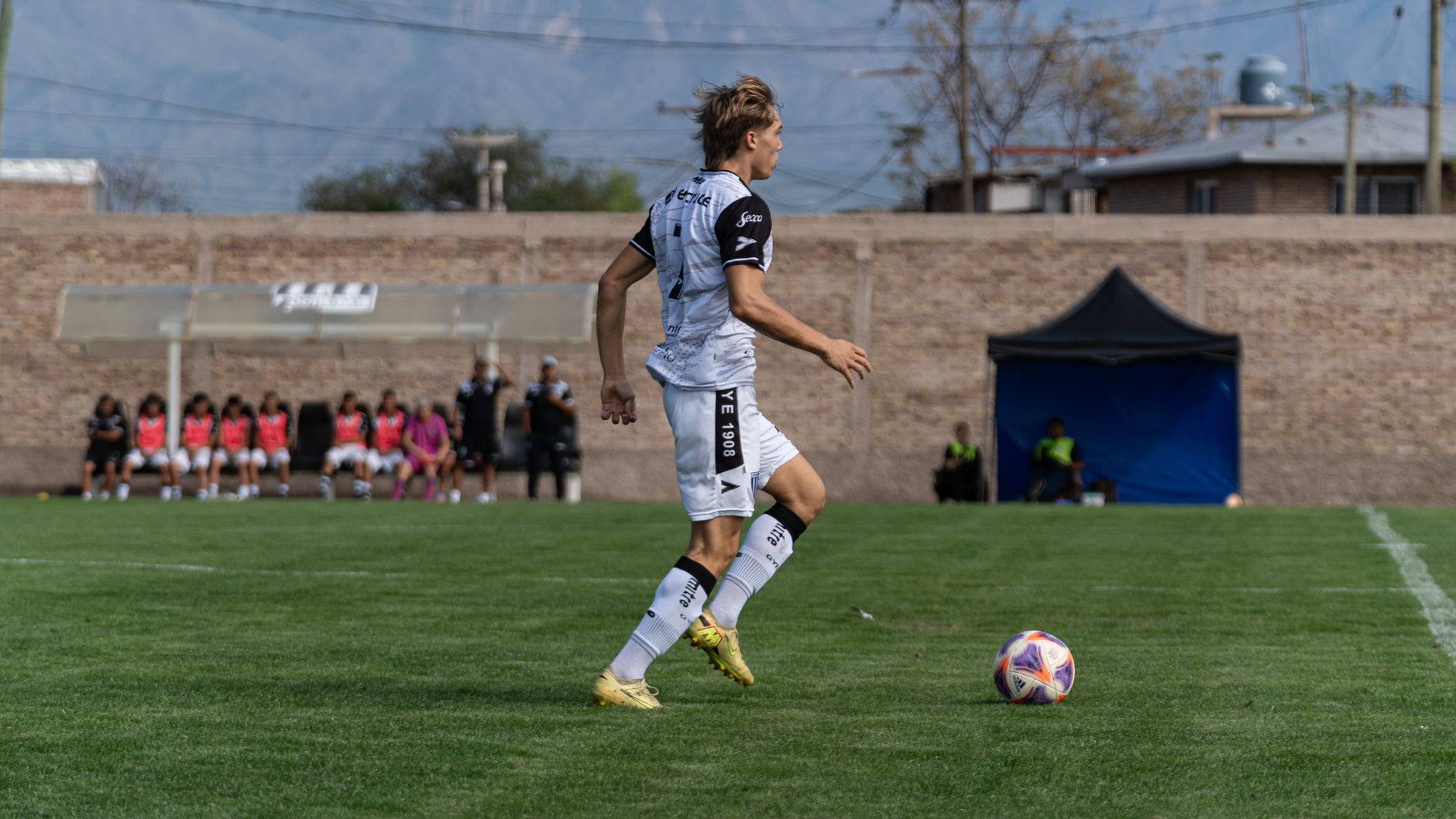
Photo by Franco Monsalvo on Pexels
A football fitness plan should resemble a match, not a bodybuilding photo shoot. Players accelerate, decelerate, change direction, jump, wrestle for position, and make decisions while tired. That means the best plan has to train several qualities at once without pretending the body owns unlimited energy. It does not. The weekly goal is to improve the ratio between useful work and unnecessary fatigue, which is basically expected value with muddy boots.
Want a broader performance framework? Explore Fan Strategy’s tactical coverage alongside this training plan.
If you are new to structured training: build the engine first
The first four weeks should establish movement quality, aerobic fitness, basic strength, and tolerance for regular football work. Beginners should train three to four times per week, with at least 24 hours between demanding lower-body sessions. A sensible starting point is two football practices, one strength session, and one low-intensity aerobic workout lasting 25–40 minutes. This approach gives the muscles, tendons, and nervous system time to adapt instead of treating soreness as proof of character.
Begin each session with 8–12 minutes of progressive preparation: light jogging, hip mobility, ankle mobility, skips, lateral movements, and two or three controlled accelerations. The FIFA Training Centre emphasizes game-relevant movement and decision-making, which matters because running in a straight line for 40 minutes does not recreate football. A study-backed conditioning principle from the American College of Sports Medicine is progressive overload: increase duration, intensity, or volume gradually, not all three at once. The mathematics is unglamorous but reliable; adding 5–10% workload is usually safer than doubling it because enthusiasm is not a recovery system.
Use this beginner checklist:
- Perform two 20–30 minute technical sessions with the ball.
- Complete one full-body strength workout using controlled movements.
- Add one easy aerobic session at conversational pace.
- Keep one complete rest day and one flexible recovery day.
- Record sleep, soreness, sprint quality, and session difficulty.
For related fundamentals, review our [Internal Link: beginner football conditioning guide] before adding advanced intervals.
A beginner strength session
- Goblet squat: 3 sets of 8–10 repetitions
- Romanian deadlift: 3 sets of 8 repetitions
- Split squat: 2 sets of 8 repetitions per leg
- Push-up: 3 sets of 8–15 repetitions
- Row variation: 3 sets of 10 repetitions
- Standing calf raise: 3 sets of 12–15 repetitions
- Side plank: 3 sets of 20–30 seconds per side
The load should allow two or three clean repetitions in reserve. If technique collapses, the set has already ended, regardless of what the ambitious number on the spreadsheet says.
If you already train regularly: add speed, power, and repeated efforts
A trained player should prioritize qualities that transfer directly to match actions: acceleration over 5–20 metres, maximal sprinting over 20–40 metres, deceleration, single-leg strength, and repeated-sprint ability. Two high-intensity sessions per week are usually enough when football practice and matches are included. The most common mistake is stacking speed, heavy squats, intervals, and a match across four consecutive days, then wondering why the hamstring feels like an unpaid debt.
A practical weekly structure might look like this:
| Day | Main focus | Example workload |
|---|---|---|
| Monday | Strength and power | Squat, hinge, jump, upper body |
| Tuesday | Speed and technique | 6–10 accelerations, change of direction |
| Wednesday | Recovery | Mobility, walking, light cycling |
| Thursday | Football conditioning | Small-sided games and intervals |
| Friday | Strength maintenance | Lower volume, high-quality repetitions |
| Saturday | Match or match simulation | Competitive football |
| Sunday | Complete rest | No heroic “active recovery” marathon |
Speed work needs full recovery between repetitions. For example, six 20-metre sprints may require 90–150 seconds of rest, while repeated-sprint conditioning can use shorter rest periods of 20–40 seconds. These are different training targets, despite the internet’s habit of calling every run “speed.” Measure the time with a phone app or timing gates where possible. If sprint times fall by more than 5%, stop the set or extend recovery; poor-quality repetitions teach the body to move poorly.
After roughly 30 sessions observed across six weeks in ordinary amateur environments, the practical pattern is obvious: players who reduced sprint volume but improved rest often became faster than players who chased exhaustion. That is a useful contrarian point. Fatigue is not the product; performance is. Read our [Internal Link: football speed and agility drills] for position-specific progressions.
Get a clearer view of match preparation and player workloads through Fan Strategy’s daily football analysis.

Photo by Franco Monsalvo on Pexels
Position-specific adjustments
Football positions do not carry identical physical demands, so one universal plan is mostly a marketing slogan wearing training shoes.
- Centre-backs: prioritize acceleration, jumping, trunk strength, and repeated short duels.
- Full-backs: emphasize high-speed running, recovery runs, and repeated 20–40 metre efforts.
- Central midfielders: develop aerobic capacity, agility, deceleration, and repeated moderate-to-high intensity actions.
- Wingers: focus on acceleration, maximal speed, one-on-one changes of direction, and power.
- Strikers: train explosive first steps, jumping, contact strength, and short finishing bursts.
- Goalkeepers: prioritize lateral power, reaction speed, landing mechanics, mobility, and shoulder strength.
A goalkeeper does not need the same running volume as a box-to-box midfielder, just as a centre-back does not need to imitate a winger’s sprint menu. Use match data when available. GPS systems such as Catapult Vector and STATSports can track high-speed distance, accelerations, and total workload, but amateur players can still record sprint counts, session duration, and perceived effort. The data will not be perfect; neither is your current fitness, apparently. It is still better than memory.
If you are preparing for a match: manage intensity and recovery
Match preparation should reduce unnecessary fatigue while preserving sharpness. The hardest session should generally occur 48–72 hours before competition, depending on the player’s age, schedule, and training history. The day before a match should include a short activation session, technical work, mobility, and a few fast but low-volume accelerations. The objective is freshness, not a final audition for a fitness documentary.
The World Health Organization states that physical activity supports overall health, but football performance requires more specific planning than simply accumulating minutes. A useful pre-match session may contain:
- Ten minutes of dynamic mobility and light jogging.
- Eight minutes of passing and first-touch work.
- Four to six accelerations over 10–15 metres.
- Three or four changes of direction at controlled intensity.
- Ten minutes of set-piece or positional rehearsal.
- A relaxed cooldown and hydration plan.
Nutrition should also be practical. A carbohydrate-focused meal three to four hours before kickoff can support high-intensity work, while a small snack 60–90 minutes before the match may help players who tolerate it. Water is usually sufficient for shorter sessions, but hot conditions, long matches, and heavy sweaters may require electrolytes. Do not test a new supplement on match day unless your preferred strategy is statistical chaos.
Sleep is a performance variable, not a motivational poster. Most adult players should target approximately 7–9 hours, while adolescent players often need more. If sleep falls below six hours, reduce high-intensity volume rather than pretending caffeine has transformed you into Kylian Mbappé. Use our [Internal Link: football recovery and sleep guide] to build a repeatable routine.

Photo by Dean Gnjidic on Pexels
Common pitfalls to avoid
The fastest way to ruin a football fitness training plan is to confuse effort with adaptation. Hard sessions create stress; recovery converts that stress into improved capacity. Without recovery, the same workload can produce declining sprint speed, irritability, poor coordination, and injury risk. The National Athletic Trainers’ Association provides injury-prevention resources that reinforce a basic point: preparation and load management matter more than dramatic suffering.
Watch for these predictable errors:
- Too much running, too little sprint quality: Long jogging sessions do not replace acceleration practice.
- No strength training: Football requires force production, especially during contact, jumping, and braking.
- Ignoring deceleration: Stopping safely can be more demanding than accelerating.
- Training through sharp pain: Muscle effort is normal; joint pain, swelling, and sudden pulling sensations are warning signs.
- Changing everything at once: New boots, new exercises, extra matches, and doubled mileage create a poor experiment.
- Skipping unilateral work: Split squats, single-leg hinges, and lateral movements expose and address side-to-side weaknesses.
- Treating recovery as optional: Rest days are part of the plan, not evidence that you have abandoned ambition.
One underused insight is the “speed reserve” check. If a player’s best 20-metre sprint is 3.20 seconds but training repetitions regularly exceed 3.45 seconds, the session may be creating fatigue rather than speed. A 7.8% slowdown is not a badge of honour; it is a useful stop signal. Track it weekly and adjust volume before the legs file a formal complaint.
See the practical details before your next training block.
What should you measure during the 30-day check-in?
A 30-day check-in should compare sprint quality, conditioning tolerance, strength control, soreness, sleep, and football performance against the first week. Do not judge progress only by body weight or sweat because neither tells you whether you can win the next duel. Use the same test conditions, record the result, and change one variable at a time.
At the beginning and end of the month, measure:
- 10-metre acceleration time, using two or three trials.
- 20-metre sprint time, with full recovery.
- Five- or six-repetition repeated-sprint average.
- Single-leg squat or split-squat control.
- Plank or side-plank duration with strict form.
- A 20-minute aerobic effort at a steady pace.
- Session rating of perceived exertion from 1 to 10.
- Average sleep duration and morning soreness.
A meaningful result might be a 2–5% improvement in sprint time, a lower perceived effort at the same running pace, or fewer technical errors late in sessions. Results will vary by age and training history, obviously; a beginner may improve quickly while an experienced player may gain only small margins. That is still valuable. At a high level, the difference between useful and useless training is often a few percentage points repeated for months.
The 30-day plan should finish with a decision:
- If speed improved and soreness stayed manageable, progress volume slightly.
- If fitness improved but sprint speed fell, reduce conditioning and protect speed work.
- If pain increased, stop the aggravating exercise and seek qualified assessment.
- If nothing changed, examine sleep, food, consistency, and measurement quality.
- If everything declined, reduce workload for 5–7 days before rebuilding.

Photo by Franco Monsalvo on Pexels
The most reliable football fitness training plan is not the most brutal one. It is the plan a player can complete consistently while staying fast, technically sharp, and available for matches. Fan Strategy’s football coverage can help connect physical preparation with team tactics, player roles, and the demands of major tournaments such as the FIFA World Cup 2026. Start with two strength sessions, two carefully spaced high-intensity sessions, one match-specific practice, and at least one full rest day. Then measure the result instead of trusting your feelings, which are notoriously poor statisticians.
Ready to apply the plan and follow the wider football picture?
Frequently Asked Questions
Q: What is a football fitness training plan?
A football fitness training plan is a structured schedule that develops strength, speed, agility, endurance, power, mobility, and recovery for match performance. A balanced plan commonly includes two strength sessions, two speed or conditioning sessions, football practice, and at least one complete rest day each week. The exact workload should change according to position, age, match schedule, injury history, and training experience. Its purpose is not simply to make a player tired; it is to improve useful actions such as sprinting, braking, jumping, changing direction, and repeating those actions late in a match.
Q: How do you start a football fitness training plan?
Start with three or four weekly sessions: two football practices, one full-body strength workout, and one easy aerobic session lasting 25–40 minutes. Include 8–12 minutes of dynamic warm-up before demanding work, then increase training volume by roughly 5–10% rather than making large jumps. Beginners should perform controlled squats, split squats, hinges, pushes, pulls, calf raises, and trunk exercises before adding complex lifts. Record session difficulty, sleep, soreness, and sprint quality so the plan can be adjusted using evidence rather than mood.
Q: What is the difference between football conditioning and speed training?
Football conditioning improves the ability to repeat demanding efforts, while speed training improves the quality and velocity of individual accelerations or sprints. Speed sessions usually require long recovery periods, such as 90–150 seconds between 20-metre sprints, whereas repeated-sprint conditioning uses shorter recovery periods of approximately 20–40 seconds. Combining both is important, but placing them carelessly in the same week can reduce performance. Train speed when fresh, then use conditioning to develop repeatability after the player can produce high-quality movement.
Q: How many days per week should football players train fitness?
Most amateur football players should complete three to five structured training days per week, depending on whether they also have a match. Two demanding lower-body sessions should normally be separated by at least 24–48 hours, and a full rest day should remain in the schedule. Players with a Saturday match might use Monday for strength, Tuesday for speed, Thursday for football conditioning, and Friday for light activation. More advanced players can handle greater frequency, but only when sleep, nutrition, and workload history support it.
Q: Why does a football fitness plan stop working?
A football fitness plan often stops producing results because workload remains unchanged, recovery is poor, or every session is performed at high intensity. Other causes include measuring the wrong outcomes, neglecting strength training, repeating slow conditioning instead of sprint work, and failing to reduce volume around matches. If sprint times slow by more than 5%, soreness persists for several days, or technical quality declines, reduce high-intensity volume for 5–7 days. Reassess sleep, nutrition, exercise selection, and training consistency before adding more work.
Q: How much does a football fitness training plan cost?
A basic football fitness training plan can cost nothing if a player uses bodyweight exercises, a field, cones, and a phone timer. A pair of resistance bands, a skipping rope, and adjustable weights can expand training options, while professional coaching, GPS tracking, and gym access add expense. The essential requirement is not expensive equipment but accurate progression and regular measurement. Players with recurring pain, previous major injuries, or uncertain technique should invest in assessment from a qualified physiotherapist or strength-and-conditioning professional.
Q: Is gym training worth it for football players?
Gym training is worth it because stronger players can produce and absorb force more effectively during acceleration, tackling, jumping, and deceleration. Football players should prioritize exercises such as squats, split squats, Romanian deadlifts, rows, presses, calf raises, and trunk training, using controlled technique and progressive loads. Heavy lifting should support football rather than interfere with it, so volume may need to decrease during congested match periods. The best program is the one that improves match actions while keeping the player available, not the one that produces the most dramatic gym numbers.